

Iran’s New Khamenei and the War’s Critical Phase
“My father chastised you with whips; I will chastise you with scorpions,” as one source describes Iran’s new leader; And then there is oil

This is the tenth day of the war between Iran, the United States, and Israel — and it is entering a decisive stage due to three factors.
The first is that by this point, there has already been a major blow to Iran’s military capabilities, including the complete destruction of its navy, the almost-total crushing of its ability to launch ballistic missile attacks, and the significant damage to headquarters and other military assets.
In Washington and Jerusalem, there was hope that by now the first signs of the regime’s internal unraveling would begin to appear — meaning defections or other types of state breakdown. Last week we saw, for the first time, sharp and public clashes between Iran’s president, Masoud Pezeshkian, and the Revolutionary Guards. The president promised that other countries would no longer be attacked, and was promptly humiliated as the Revolutionary Guards did so anyway. So far, the Iranians have attacked 12 different countries, most of whom had taken no action against them at all. These are early signs — but definitely not sufficient ones — of regime destabilization.
The second is that the war is now causing significant economic effects, with a sharp surge in oil and gas prices around the world, largely because the Strait of Hormuz remains largely blocked.
The third is the election of a new Supreme Leader in Iran, which represents an attempt by the hardline wing of the Revolutionary Guards and the Islamic Republic to project a spirit of resistance in the face of the American–Israeli attack.
1. Enter Mojtaba Hosseini Khamenei
This is how a source who has spent years monitoring the Iranian state described Mojtaba Khamenei, to me:
“My father chastised you with whips; I will chastise you with scorpions.”
The quote (Kings 1, 12:11) is from Rehoboam, the son of King Solomon — his callous reply to subjects who complained about the burden of taxes. That answer ultimately led to the disintegration of the Davidic kingdom.
“Young Khamenei is more extreme, more cruel, and more corrupt than his father,” the source concluded. “But he is also a shrewd politician — perhaps even more so than his father.” Israel has already made clear it intends to take out the young Khamenei, elected yesterday to be the new supreme leader.
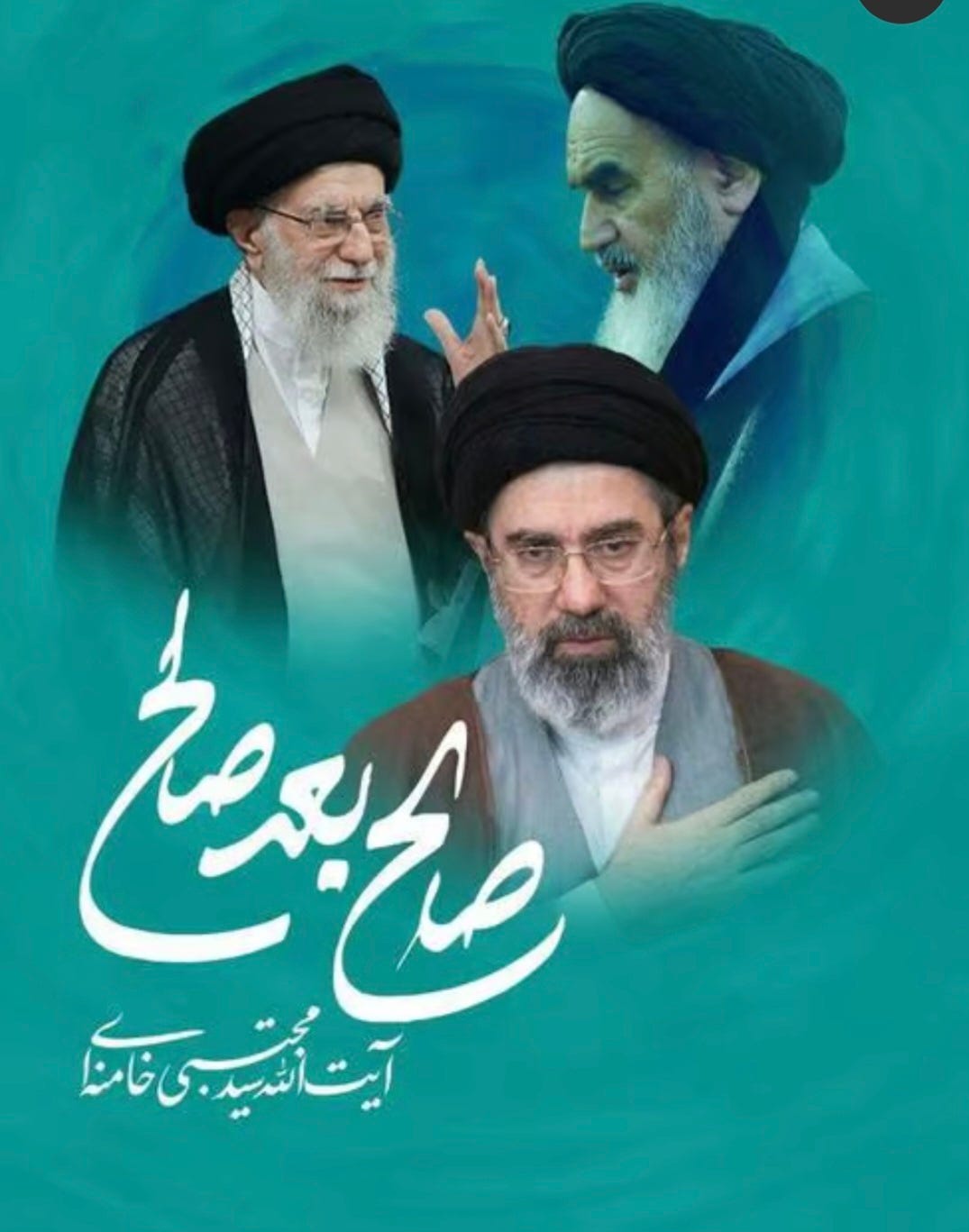
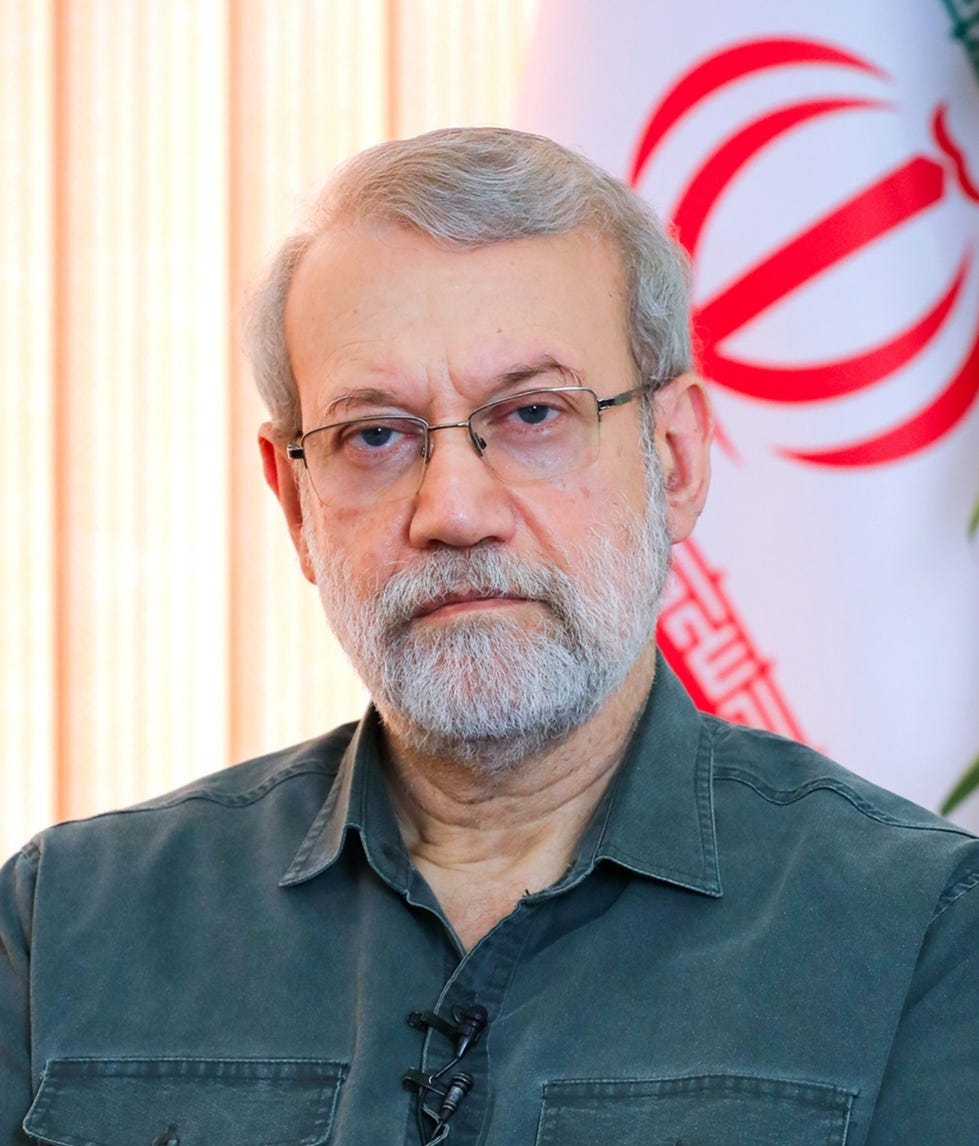
What this means: The rise of Mojtaba signals the strengthening of the Revolutionary Guard at the expense of the old elite of the Islamic Republic, including parts of the clerical establishment. Mojtaba Khamenei is considered a hardliner whose power base lies with the IRGC, which almost certainly pushed for his nomination. The immediate question is what happens to Ali Larijani, who in practice has been running the country in recent weeks.
_(cropped).jpg)
A hereditary succession. Electing the son of the former leader is unprecedented in the Islamic Republic — which is not a monarchy. It inevitably evokes the memory of the politics of the Shah’s era and is unlikely to strengthen the regime’s popularity, to say the least.
The new Supreme Leader’s ability to exercise command and control is also limited. Different units of the Revolutionary Guard are currently operating with reduced central coordination following the American and Israeli strikes. In the immediate term, the system’s main mission will simply be to keep him alive — and therefore his ability to communicate and rule is extremely reduced. Israel is certainly aiming to assassinate him as quickly as possible.
Mojtaba Khamenei is widely seen as one of the regime’s ruthless hardliners and is associated with the repression of recent protests. His nomination signals that the IRGC is projecting defiance of the US rather than compromise. Paradoxically, precisely because of his reputation, he might have leverage within Iran for a compromise if he would ever want it (don’t hold your breath).
The central question, however, is simple: will this election consolidate power and restore unity within Iran’s fractured and deeply wounded system? Most Iran analysts believe it will not.
2. State of the War
“The Iranians have passed the shock phase and are in an advanced stage of recovery,” a senior IDF official told me this week. “They have some command and control systems that are functioning — we will continue to strike it — but no one should imagine we are done. This is the beginning of the road.”
He was cautious, but others are less so. “We will continue until capitulation,” another military source deeply involved in the war told me. “You ask what the required achievement is? Iran will not be able to project external force for the next 20 years.”
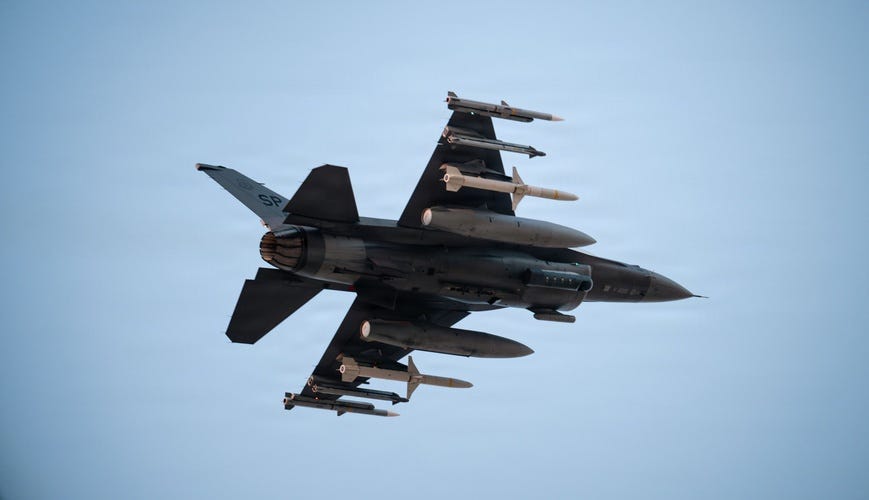
“If the US talks about ‘until victory,’ why shouldn’t we?” security officials say. “At worst, they’ll put the brakes on us.” Yesterday, US CENTCOM tweeted again about “The two strongest air forces in the world.” The IDF’s opening strike — which was stunning and lethal — has infused the Israeli defense establishment with euphoria. It shows.
Many within the defense apparatus are troubled by the intoxicating effects of the initial success; October 7th is seared into their memory. They focus on a question, perhaps the question: when has an entire nation ever capitulated after an air campaign alone? The best and most recent example is Serbia and the NATO bombing in 1999.
Needless to say, Serbia is not the Islamic Republic. The Islamic Republic is a polity built around the idea of resistance, around a doomsday prophecy that, from the mullahs’ perspective, has now been vindicated.
Was the Islamic Republic utterly surprised by the force and magnitude of the American–Israeli operation? Of course. But in a deeper sense, this is also what they were preparing for. This is one reason they sought a nuclear program to begin with.
The most apocalyptic scenario, from their perspective, has now come to pass. The United States and Israel have entered into a struggle whose stated purpose —according to the regime, and also in the public declarations of PM Netanyahu (though, importantly, not of the United States) — is the removal of the Ayatollah’s regime. For the mullahs, this is judgment day; it carries deep religious significance. The fact that it began with the killing of Khamenei might make it the most consequential such moment in Iranian Shia Islam in generations.
This is also why Hezbollah in Lebanon, despite knowing the consequences would be severe inside of Lebanon, joined the fighting. The Houthis are expected to do so as well.
What comes next
At this stage, the Iranians are continuing their policy of survival, with no real desire for a deep compromise with the Trump administration, which signals that it is willing to reach an agreement— provided that its basic conditions are met. While the military capabilities of the Islamic Republic are dramatically eroding, but its ability to launch suicide drones remains significant.
At this stage, Israel does not identify signs of mass defections - but this could happen soon, say officials, as strikes intensify.
What may happen now: the U.S. - Israel strikes will continue, and a limited ground operation is being considered. Among the possibilities mentioned is the option of seizing the enriched uranium that is still buried in Iran. Other forms of ground action are also being considered.
At some point — and it could happen sooner than expected — the administration may slow or limit some of the strikes in order to signal to the Iranians that they are now invited to take their fate into their own hands and go out into the streets to topple the regime.
If the Basij and the security forces refuse this time to fire on them, this could mark the beginning of a collapse. Most intelligence experts say the chances for this exist, but they are not high. In Israel, efforts toward regime change are continuing very intensively behind the scenes.
If the war ends without an agreement and without a deep change within the regime — or a change of the regime itself — Iran will see this as a divine religious victory.
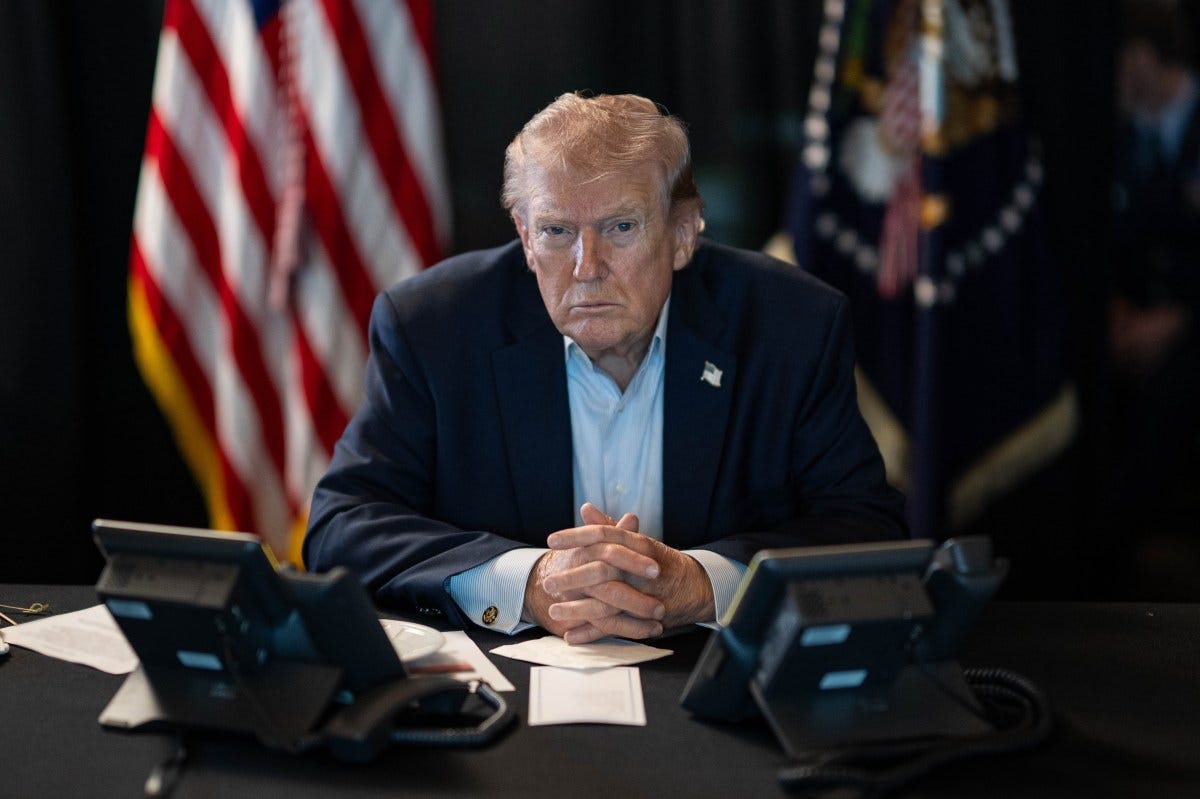
The one who will decide when the war ends is president Trump. That could happen in another week, or another month, say security sources; they operate on the assumption that things might change very quickly.
The IDF and the government of Israel will only be able to respond “Roger that,” and with that, everything will end. The Israeli Air Force knows this very well; in the 12-day war, it turned back planes loaded with ammunition on orders from the White House.
3. Oil, Economy and Strategy
The first disagreements between the United States and Israel were exposed in the past 24 hours, with a clear American reservation regarding Israeli military actions that targeted oil facilities belonging to the Revolutionary Guards and the Iranian army. These were not Iran’s national oil and gas fields or its civilian refineries — but that did not change much. Images of burning fuel depots near the city of Tehran alarmed already jittery markets.
Senator Lindsey Graham, perhaps the senator most supportive of Israel and of this war, posted on X expressing reservations about the Israeli action. The reasons are obvious. When oil futures trading opened last night, it became evident that the rise in prices was dramatic.
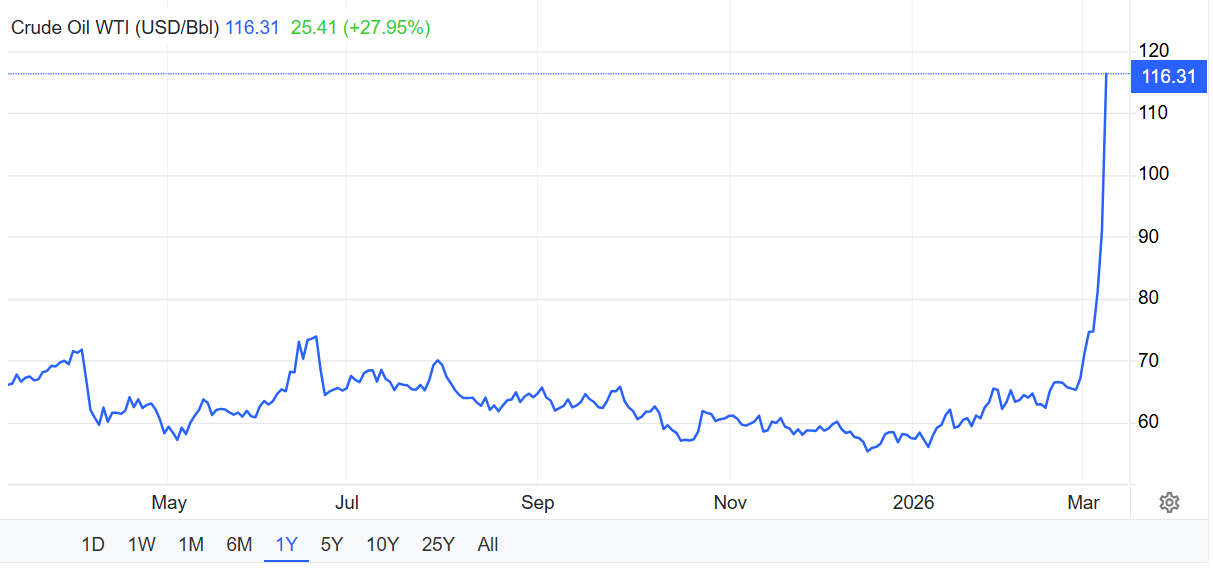
At the moment, there is almost no free movement of oil tankers out of the Gulf. Whether the Strait of Hormuz is formally open or closed, in practice there is currently very little traffic. That corridor carries roughly 20 percent of the world’s oil. During the Ukraine war, oil climbed to $139 per barrel in March 2022, even though there was no real disruption to supply. This time the disruption is real. Output is collapsing, since producers cannot store oil beyond their maximum capacity — and right now they cannot export much. In Iraq, for instance, output has fallen by about 70%.
Liquefied natural gas exports from the region have largely stalled (for example, the Qataris have stopped entirely; costs of LNG were originally very low but have now jumped by tens of percent in Asia and Europe). Iran has already targeted oil installations in its attacks.
Prominent Israeli figures such as Yair Lapid have called for bombing Iran’s oil facilities — for example on Kharg Island. According to a source deeply familiar with the global energy markets, statements like these are receiving considerable attention abroad. The reaction is essentially: if these are the central voices from the Israeli opposition that are pressing in this direction, where might this end?
The administration has the power to try to moderate this pressure in the markets and to take concrete steps.It has already provided insurance guarantees for oil transport in the region; it can increase production; it can send calming signals to the markets; and above all it can reopen the straits at any cost. The problem in the Gulf right now is less the Iranian navy — which has been destroyed with considerable effectiveness — and far more the suicide drones that could strike the command bridge of oil tankers and disable them.
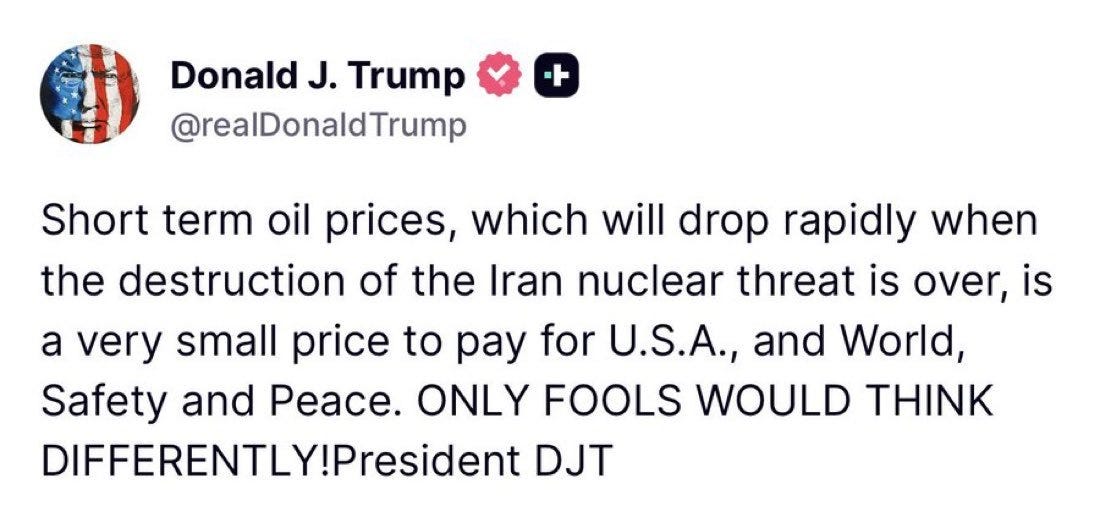
This was the president’s response:
“Short-term oil prices, which will drop rapidly when the destruction of the Iran nuclear threat is over, are a very small price to pay for U.S.A., and world, safety and peace. ONLY FOOLS WOULD THINK DIFFERENTLY!”
This, like other statements by the president, signals a willingness to continue prosecuting the campaign until victory. Yet no one should downplay, to say the least, what is happening in the markets — and how it could influence decision-making and the time frame for this war.
.
The new "Supreme Leader" is not a top religious figure, but either a lead or a figurehead of the IRG. In effect, it seems the regime is transitioning from its religion-based authority - and attached legitimacy - to a more standard, force-based dictatorship. Could the weakening of the religious element lead to more pragmatic approaches, at least toward tge external world?
It means: they are not budging.
This war will drag on.