

Fraying Grip: Khamenei’s Iran on Shaky Ground
As fears of miscalculation mount, the Supreme Leader’s hold over the Islamic Republic is showing cracks

The supreme leader, Ali Khamenei, 86, is going through a difficult year- one he very much deserves. His vision of building a “ring of fire” around Israel has collapsed. The so-called “Axis of Resistance” no longer exists. The nuclear program, his top priority investment, has been gravely damaged. It has become clear that his state lacks the ability to defend itself against Israel. His trusted aides have been eliminated, along with critical components of the Islamic Republic’s military power. Paralyzing sanctions on his country have been reinstated. Finally, Hamas was forced to agree to a humiliating ceasefire with Israel.
Now, the vacuum left by Iran is being filled by Sunni states. And although relations between Turkey and Iran are warming, Khamenei surely understands that Erdoğan is exploiting his weakness. Anus horribilis for a man who devoted his life to export of the holy revolution.
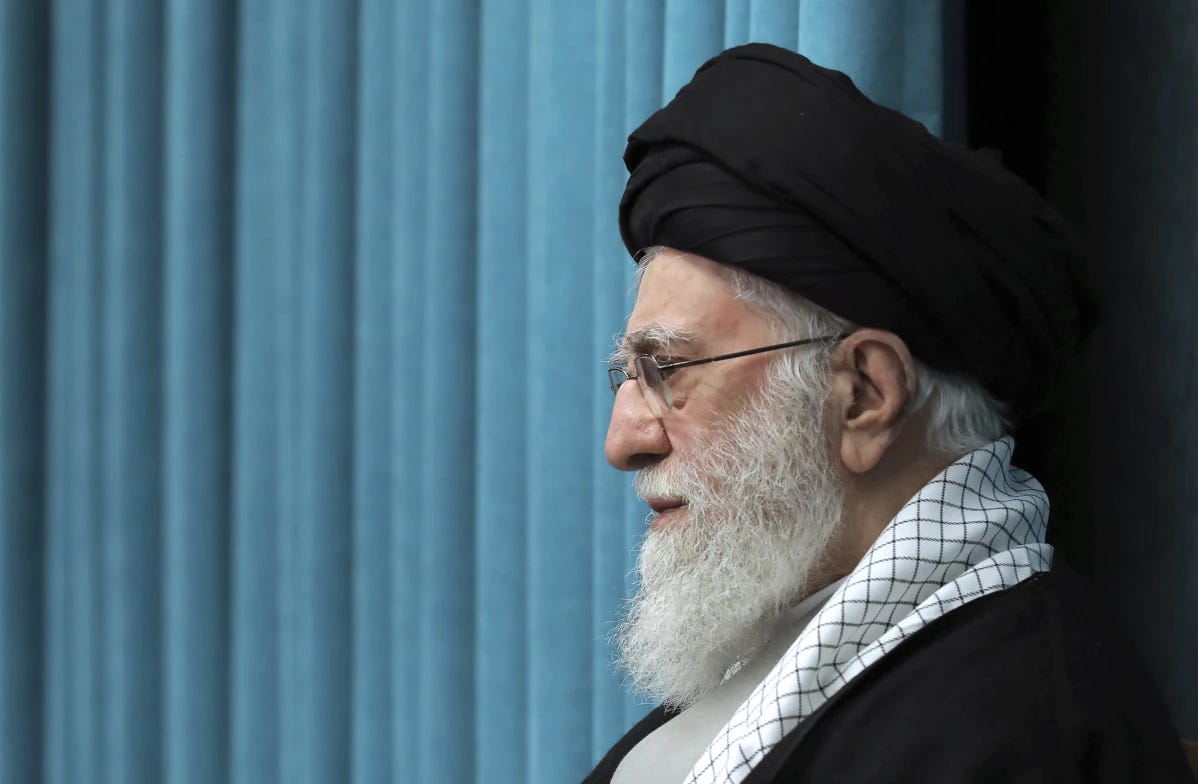
In the West, questions about leadership in Tehran are growing. A central question is how much Khamenei- whose public appearances are becoming increasingly rare- actually governs the country.
Strange and exceptional reports are emerging from the Islamic Republic based on its public behavior. Several factors contribute to this. There is a sense that the decision-making system itself is eroding. In the past, critical decisions reached the leader, who was the final arbiter. Today, things are far more opaque. U.S. Iran experts suspect that the Supreme Leader has become detached and that his grip has weakened significantly. There are instances where the Supreme Leader makes a decision, and it is not always implemented—a scenario that would have been unthinkable a year ago.
Meanwhile, there is a constant fear in Iran of another attack by Israel or the United States. As a result, unceasing alarmism prevails within the ayatollahs’ government- what an Israeli source calls “seeing a mountain in the shadow of a hill.” The West is deeply concerned about miscalculations that could lead to conflict. Three senior Israeli officials told me in recent weeks- on their own initiative- that Israel has no intention or desire to strike Iran. They wanted this message to be heard clearly in Tehran. The problem, of course, is that every surprise attack begins by lulling the adversary into repeated exercises. When Israel prepares for defense, Iran interprets it as a potential prelude to another attack- and vice versa.
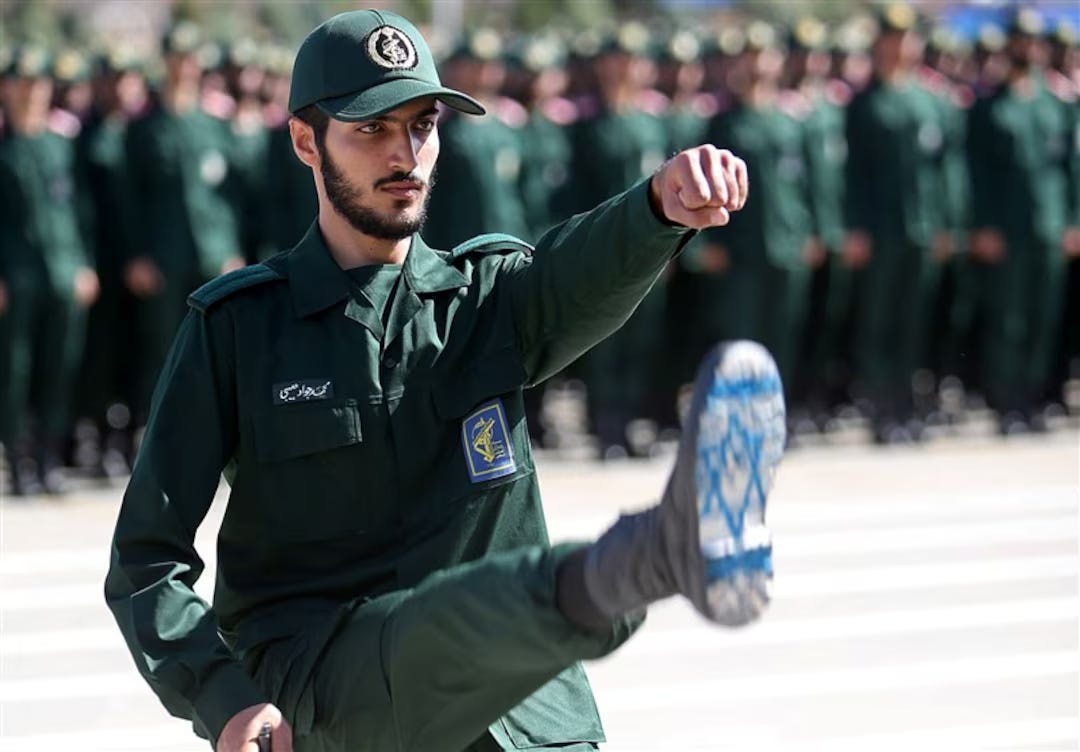
One scenario discussed even before the war is that the leader’s decline and eventual death could transform Iran into a military dictatorship led by the Revolutionary Guards.
Dr. Raz Zimmt, a leading expert on the Islamic Republic, wrote about this possibility several years ago in an article titled From Religious Theocracy to Military Autocracy. In recent months, the influence of Iranian leaders who were formerly generals in the Revolutionary Guards has grown; given that the organization is the strongest and most organized in Iran, its takeover of the state’s power mechanisms is no science fiction.
In any case, notions that the war would destabilize the regime have, so far, proven false. Iranian society, by contrast, has rallied around the flag, with nationalist sentiment on the rise. This could bolster militaristic actors intent on seizing control of the country and potentially sidelining the clerics.